
Amateur Astronomers Use OpenAI Tools Astra and Codex to Discover Potential Exoplanets
Two amateur astronomers used OpenAI models Astra and Codex to search through millions of stars in NASA telescope data, discovering candidate exoplanets now under review by professional researchers.

✓ Verified · Official source
In 30 seconds
- Two amateur astronomers used OpenAI tools Astra and Codex to analyze public starlight datasets from NASA space telescopes.
- Kevin Bond evaluated starlight from 100,000 stars, while Ethan Byrd searched starlight observations across nearly 19 million stars.
- Their AI-assisted search flagged several candidate exoplanets, which have now been shared with professional researchers for confirmation.
Two amateur astronomers have demonstrated how artificial intelligence tools can turn vast streams of raw telescope data into promising astronomical discoveries. Working independently, they used OpenAI tools Astra and Codex to scan starlight observations collected by NASA space missions.
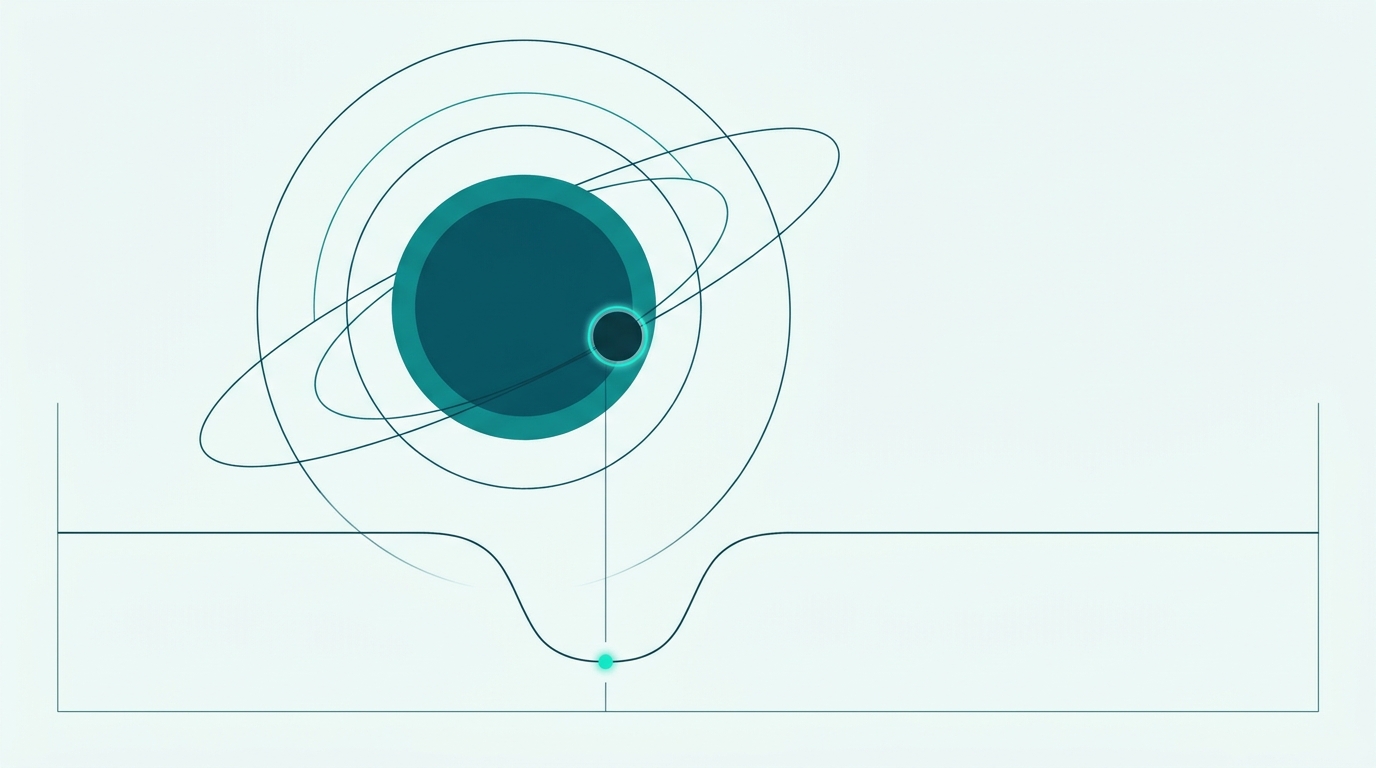
By analyzing starlight dips—tiny reductions in brightness that occur when a celestial body passes between a telescope and a distant star—the researchers identified candidate exoplanets. Their findings have been submitted to professional astronomers for independent validation.
How Starlight Dips Reveal Uncharted Planets
Searching for exoplanets often relies on the transit method. Think of it like watching a mosquito pass across a bright streetlamp from miles away; scientists look for minuscule, rhythmic drops in starlight caused by an orbiting planet.
NASA telescopes like Kepler and TESS collected vast records of these starlight fluctuations over years of observation. While primary signals have been thoroughly studied, vast amounts of weaker data remain unexamined due to the sheer volume of processing required.
Empowering Citizen Science with AI
Kevin Bond, an engineer at OpenAI, used Codex to process observations of roughly 100,000 stars from the Kepler space telescope mission. Meanwhile, Ethan Byrd used Astra to evaluate telescope data spanning nearly 19 million stars.
Both independent projects succeeded in spotting previously unconfirmed exoplanet candidates. By using modern AI to design automated search pipelines, citizen scientists can now analyze massive datasets that once required large academic teams.
How does this affect your everyday life?Takeaway
This project highlights how AI models allow non-specialists to perform complex data analysis on open-access scientific archives. Everyday enthusiasts can leverage modern software tools to actively participate in space discovery without needing specialized supercomputers.
✓ Verified sources for this story
- 🟢 Official source: OpenAI News — Searching for distant planets with Astra